Starter, Alternator & Battery Replacement — Mobile, Both Cities
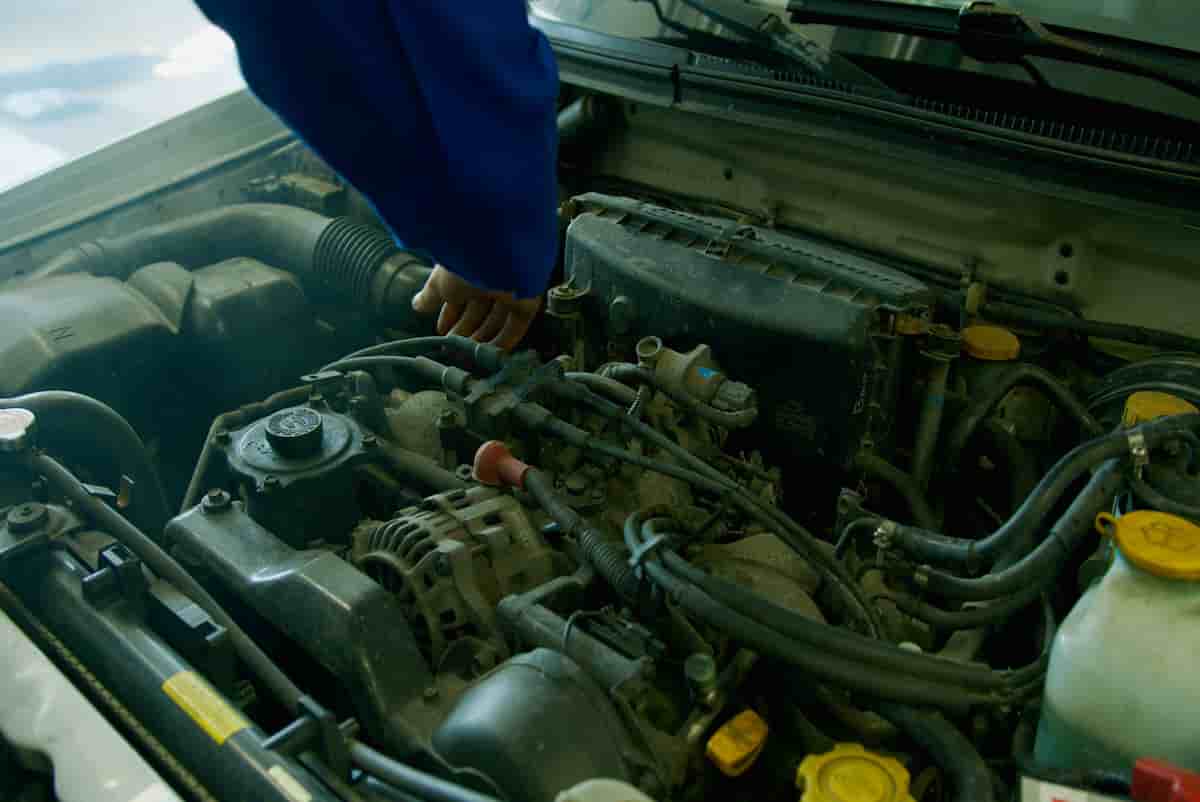
Which one is failing?
| Symptom | Usual suspect | The fix |
|---|---|---|
| Slow crank on cold mornings, fine by noon | Battery aging out | Load test; replace on-site only if it fails |
| Battery light on; dash flickers; dies driving | Alternator not charging | Output test at the vehicle; replace on-site |
| New battery, still one-click | Starter or cable voltage drop | The test tells which; either is a driveway job |
| Dies after sitting through winter break or a deployment | Deep discharge or parasitic drain | Wake-up service: test, clean, trace — don't just jump and hope |
| Whine rising with RPM plus dim lights | Alternator bearing/diode on the way out | Replace before it strands you — this one gives notice |
The sitting-car problem, both flavors
This corridor parks more cars for more months than almost anywhere: deployments and training rotations on the Fort Riley end, winter break and summer break on the K-State end. A car that sits comes back the same way regardless of why it sat — discharged battery, corroded terminals, low tires, stale fuel — and the wrong move is identical too: jump it, drive it, and let the alternator try to resurrect a battery that's past saving while every connection fights it. The wake-up visit does it properly: load test, terminal and ground cleanup, charging verification, quick once-over. One visit, no cascade of surprises.
Tested as a system, always
The trio fails together: a dying alternator murders a good battery, a bad ground imitates both, and replacing the wrong link means the same breakdown next month with less money. Every job starts with the full-circuit test even if you arrive with a diagnosis from elsewhere — and if the test clears your part, you'll be told that too. On a corridor this small, the only marketing that compounds is repairs that hold.
Related: start at no-start diagnostics if the cause is unknown, breakdown repair if it died away from home, and brakes if one visit should handle two problems.
Frequently asked questions
How long do batteries last around here?
Three to five years, with the Kansas double tap deciding which end: hot summers shorten the life, cold snaps reveal the truth. Any battery past year three earns a free load test with other work.
My student's car died over winter break. What should we do from Kansas City?
Book the wake-up visit by phone — you approve the quote remotely, the work happens at their apartment lot, and you get the findings and invoice directly. It's the standard arrangement for K-State parents.
Do you bring the part along?
Usually it's confirmed by test first, then sourced from a corridor parts counter and installed the same visit — both cities stock the common applications deep.
Are mobile prices higher than a shop's?
Comparable on these jobs, and usually cheaper than shop-plus-tow — especially from Ogden, Grandview Plaza, or the lake, where the tow is the expensive part. Exact number approved before work starts.